
Microbiome and Fertility: Why It Matters When TTC
If you’re trying to conceive, you’re likely focused on diet, supplements and ovulation timing, but I bet you haven’t considered how the microbiome and fertility are connected.
New research is showing just how much these microscopic organisms influence hormones, inflammation, immune function, and even implantation and even your chances of getting and staying pregnant.
In this post, we’ll break down what the gut and reproductive microbiomes actually are, how they influence fertility and pregnancy outcomes, and the practical, evidence-based strategies you can use to support them.

What is the Gut Microbiome?
Your gut microbiome is the community of tiny living organisms (mostly bacteria, plus some viruses and fungi) that live in your digestive tract, especially your large intestine.
When balanced and diverse, it helps your body:
- Break down and absorb nutrients from food like iron, zinc, folate and vitamin B12
- Make important substances called short-chain fatty acids (SCFAs)- these improve bowel health
- Regulate inflammation
- Influence insulin sensitivity
- Interact with estrogen metabolism
A healthy gut microbiome is diverse and includes a wide range of beneficial bacteria. Our gut microbiome is as unique as our fingerprint, meaning there is no “normal” that everyone should be striving for, but their own unique “normal”. Which is why testing has limitations and why foundational habits matter more than chasing exact numbers.
How the Gut Microbiome Affects Hormones and Fertility
Recent science describes a “gut–gonadal axis,” which is a fancy way of saying that the gut and the ovaries “talk” to each other. This is where the connection between the microbiome and fertility becomes especially important.
1) Estrogen Metabolism
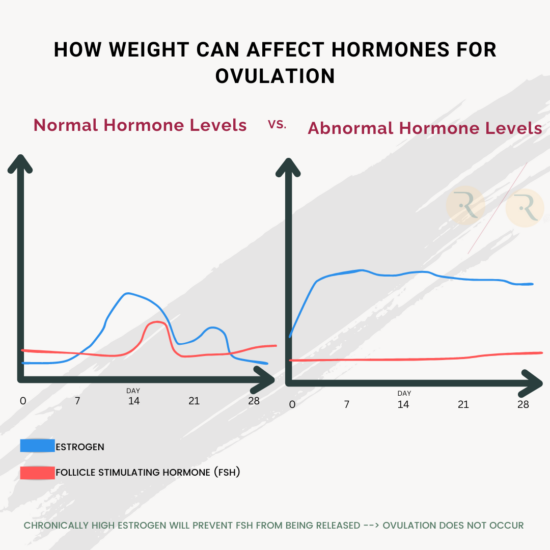
A group of gut bacteria known as the estrobolome helps regulate how estrogen is processed and recycled. If this system is off, estrogen balance can shift. This potentially affects cycle regularity, symptoms, and conditions like endometriosis or PCOS (where hormone and metabolic patterns are already sensitive).
When the gut microbiome is balanced:
- Estrogen metabolism is more stable
- Ovulatory function is better supported
- Systemic inflammation is lower
When the microbiome is disrupted (dysbiosis), estrogen signaling may become disrupted. This is particularly relevant for conditions like PCOS and endometriosis, where hormone regulation is already sensitive.
2) Inflammation and Immune Signaling
Chronic low-grade inflammation is common in fertility-related diagnoses including:
- PCOS
- Endometriosis
- Insulin resistance
- Obesity
Gut dysbiosis (an unfavorable microbial pattern) is associated with inflammatory signaling which may interfere with implantation and early placental development. A pro-inflammatory internal environment is not ideal for conception or early pregnancy.
This inflammatory link is one of the strongest biological explanations behind the microbiome and fertility relationship.

3) Insulin Sensitivity (Especially in PCOS)
Women with PCOS often show differences in gut microbial composition. These differences have been associated with:
- Insulin resistance (your body not using insulin well)
- Ongoing inflammation
- Elevated androgens (male-type hormones)
These issues can make ovulation less regular and can affect egg quality and how you respond to fertility medications.
Improving metabolic health through nutrition and lifestyle directly supports both insulin regulation and the gut microbiome. These pathways overlap significantly.
Beyond the Gut: The Reproductive Microbiome
When people talk about the gut microbiome and fertility, we also have to consider the reproductive microbiome. This is the bacteria that live in the vagina and, to a smaller degree, the uterus.
The vaginal microbiome: Lactobacillus is often a good sign
Unlike the gut microbiome, a healthy vaginal microbiome is typically dominated by Lactobacillus species.
These bacteria:
- Maintain an acidic vaginal pH
- Inhibit pathogen growth
- Support sperm survival
- Reduce local inflammation
A large review in Frontiers in Cellular and Infection Microbiology found that Lactobacillus-dominant vaginal microbiomes are associated with improved reproductive outcomes, including higher implantation rates in IVF.
Disruptions to this balance (such as bacterial vaginosis), have been associated with:
- Reduced natural conception rates
- Lower IVF implantation rates
- Increased miscarriage risk
The Endometrial (Uterine) Microbiome
The endometrial microbiome (bacteria present in the uterine lining) is an emerging area of research. Some studies suggest certain microbial patterns may influence implantation outcomes in assisted reproductive technology (ART).
However:
- Testing methods vary
- Definitions of “normal” are not standardized
- Treatment protocols are still evolving
This area is promising—but not yet a stand-alone diagnostic solution.

Microbiome and Fertility: What This Means Practically
Your gut and vaginal microbiomes don’t work in isolation; they communicate with each other more than we ever previously thought.
A 2025 study found that even when someone had a poor vaginal microbiome, if their gut microbiome was healthy, this can dampen inflammation at the local cervicovaginal level – huge win for those navigating implantation concerns.
Nutrition Strategies to Support a Fertility-Friendly Microbiome
You do not need extreme cleanses, detoxes, or expensive supplements. The most helpful tools are usually the basics, done consistently.
1) Aim for 25–35 g fiber/day
Fiber is one of the strongest dietary levers for gut microbial resilience. It feeds beneficial bacteria and supports short-chain fatty acid production (important for gut barrier and immune regulation).
- Non-starchy vegetables: Aim for 2–3 generous handfuls at your main meals (think salad, roasted veggies, stir‑fries).
- Fruit: 1–2 servings daily, such as berries, kiwi, oranges, or apples.
- Whole grains: Oats, barley, quinoa, brown rice, and whole-grain bread or pasta.
- Legumes: Lentils, chickpeas, black beans, kidney beans, soy foods.
- Nuts and seeds: Flaxseed, chia seeds, almonds, walnuts, and others.
If you’re prone to bloating/IBS, you may need a more personalized fiber strategy (type of fiber and pacing matter).
2) Include fermented foods
Fermented foods can gently support your microbiome by adding and feeding helpful bacteria. Examples include:
- Live-culture yoghurt or kefir
- Sauerkraut or kimchi (look for unpasteurized, refrigerated options)
- Miso and tempeh
- Kombucha with limited added sugar
3) Include Evidence-Based Probiotics
Research suggests that probiotic and prebiotic supplements may help rebalance the microbiome and improve some reproductive and metabolic markers in certain groups of women, including those with PCOS and other reproductive issues.
However, there are important caveats:
- Benefits are strain-specific—different probiotic strains do different things.
- The products used in studies are not always the same as those on store shelves.
- Probiotics should be seen as an add-on to a strong nutrition and lifestyle foundation, not a replacement.
- Medical guidance is recommended, especially during IVF
When choosing a probiotic, look for strains like: Lactobacillus crispatus – best for fertility and pregnancy.
4) Build protein into each meal (support ovulation + blood sugar stability)
For most women TTC, stable blood sugar and adequate protein support ovulatory function, especially when PCOS/insulin resistance is part of the picture.
A simple anchor: 25–35 g protein per meal (individual needs vary).
5) Reduce ultra-processed foods
A diet heavy in ultra-processed foods tends to be lower in fiber and polyphenols and can push microbial patterns toward less favorable profiles.
Start with small swaps:
- Sugary cereal → oats + yogurt + fruit
- Chips → nuts or roasted chickpeas
- Frequent takeout → 2 balanced home-cooked meals per week
Lifestyle factors that influence microbiome + reproductive outcomes
Food is powerful, but your gut microbiome and fertility also respond to how you move, sleep, and manage stress.
Sleep and stress:
Poor sleep and chronic stress alter gut barrier function and inflammatory tone. You don’t need a perfect routine, but you do need a realistic one.
- Target 7–9 hours when possible
- Keep caffeine earlier in the day if sleep is fragile
- Add a 10-minute downshift habit (walk, stretching, breathing, shower)
Movement: consistent, moderate activity supports metabolic health
Regular activity improves insulin sensitivity and inflammatory regulation—two major “fertility-adjacent” pathways also linked with gut health.
- Goal: 150 minutes/week moderate activity (walks count)
- Add 2 sessions/week of resistance training if cleared
A Balanced Take: What We Know (and What We Do Not Yet Know)
The science linking the microbiome and fertility is rapidly evolving.
Strong associations exist between dysbiosis and:
- PCOS
- Endometriosis
- Recurrent implantation failure
- Pregnancy complications such as gestational diabetes
However:
- Many studies are observational
- We cannot claim one diet “fixes” infertility
- Microbiome testing is not a stand-alone fertility tool
The most evidence-aligned approach is to focus on habits that support overall metabolic and inflammatory health while pursuing appropriate medical care.
Ready for Targeted, Evidence-Based Support?
If you are trying to conceive, and you want your gut health, nutrition, and fertility plan to all work together, personalized guidance can be very helpful.
In a 1:1 consultation, we build a strategy tailored to your labs, diagnosis, treatment timeline, and lifestyle. Book a 1:1 consultation to create a fertility-focused nutrition plan that supports both your microbiome and your reproductive goals.