
5 Benefits of Exercise During Pregnancy
If you were active before pregnancy, chances are one of the first questions you already searched Google and maybe TikTok for answers was whether you could safely continue exercise during pregnancy. Only to end up more confused by the flood of conflicting advice. Some sources warn against lifting weights, while others suggest maintaining normal training routines. The scientific evidence, however, is much clearer.
If that sounds familiar, you’re not alone. Wanting clear, science-backed guidance on exercise during pregnancy is completely reasonable, not only for the health and safety of your baby, but also for your own strength, energy, and overall well-being throughout pregnancy.
Modern research consistently shows that exercise during pregnancy is safe for most healthy pregnancies and provides meaningful benefits for both mother and baby.
Over the past decade, clinical guidance has shifted dramatically. Instead of recommending reduced activity, newer guidelines now encourage pregnant women to remain active with appropriately modified resistance training and prenatal workouts. For most healthy pregnancies, exercise during pregnancy, including resistance or strength training, is not only allowed, but it’s actually recommended.

Is Exercise During Pregnancy Safe?
Safety is understandably the first concern for many expectant mothers considering exercise during pregnancy.
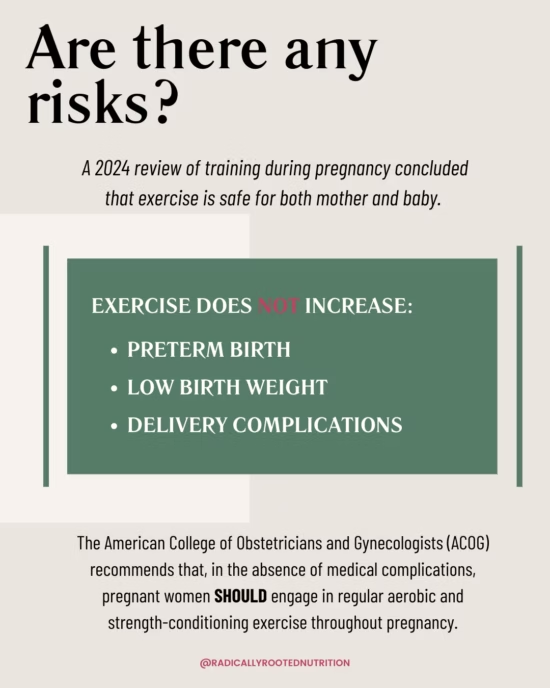
A 2024 review of resistance training during pregnancy concluded that properly designed strength programs are safe for both mother and fetus. Across multiple randomized trials examining exercise programs, including resistance training, show no increased risk of preterm birth, low birth weight, or pregnancy complications among women who exercise compared with those who remain inactive.
A 2025 systematic review of structured prenatal exercise (including strength work) found similar results: no higher risk of preterm delivery or low birth weight, and a lower risk of very high birth weight (macrosomia) in women who exercised.
Major organizations now reflect this evidence. The American College of Obstetricians and Gynecologists (ACOG) recommends that, in the absence of medical complications, pregnant women SHOULD participate in regular aerobic and strength‑conditioning exercise throughout pregnancy.
For most healthy pregnancies, remaining physically active is not only safe, it is beneficial.
5 Benefits of Exercise During Pregnancy - According to Research
1.) Lower Risk of Gestational Diabetes
One of the strongest findings in prenatal research is the relationship between exercise during pregnancy and reduced gestational diabetes risk.
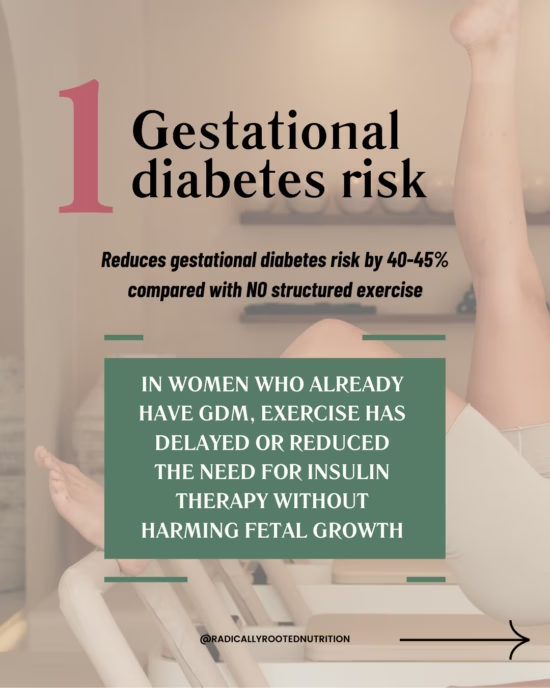
Structured programs that combine aerobic and muscular conditioning can reduce GDM risk by roughly 40–45% compared with no structured exercise.
Strength training specifically improves insulin sensitivity, allowing muscles to absorb glucose more efficiently and helping regulate blood sugar levels.
In women who already have GDM, resistance‑based programs have delayed or reduced the need for insulin therapy without harming fetal growth.
2.) Healthier Pregnancy Weight Gain
Maintaining appropriate pregnancy weight gain is an important part of maternal and fetal health.
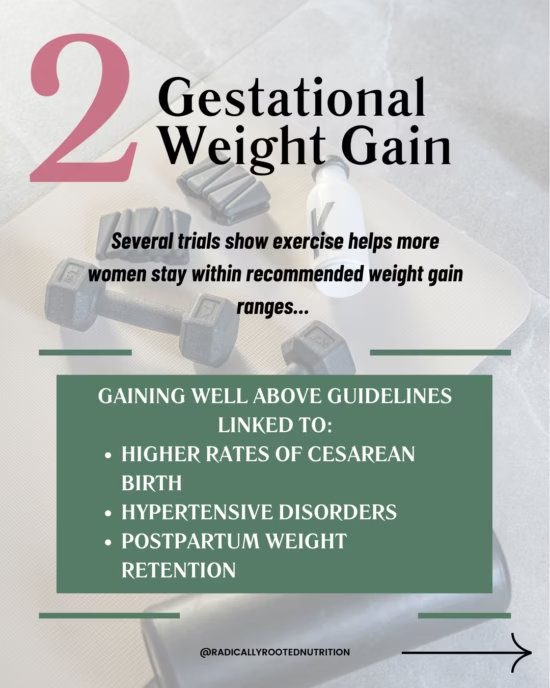
Several randomized trials summarized in recent reviews show that adding resistance work helps more women stay within recommended gestational weight gain ranges and reduces the risk of excessive gain.
This matters because excessive pregnancy weight gain is associated with higher rates of cesarean delivery, hypertensive pregnancy disorders, and postpartum weight retention.
3.) Reduced Back Pain and Better Mobility
If your low back or pelvis already aches, you might worry that lifting will make it worse. The opposite is often true.
Studies focusing on strength training and quality of life in pregnancy found that regular resistance work reduces low‑back and sciatic pain, improves physical function, and boosts overall well‑being.
Randomized trials of low‑ to moderate‑intensity strength training (2 times per week for about 12 weeks) show better vitality, less fatigue, and lower pain scores versus usual care. Women reported feeling stronger doing everyday tasks like walking, standing, carrying groceries, or caring for older children.
4.) Improved Mood and Mental Well‑Being
Pregnancy involves significant hormonal and physiological changes that can influence mental health.
Research shows exercise during pregnancy is linked to lower symptoms of depression and anxiety, and better overall mood. Within that, strength training seems to support mental energy, reduce perceived fatigue, and contribute to a more positive pregnancy experience.
Contributing factors likely include endorphin release, improved sleep quality, reduced discomfort, and increased confidence in a changing body.
5.) Labor and Delivery Outcomes
Pregnancy involves significant hormonal and physiological changes that can influence mental health.
Research shows exercise during pregnancy is linked to lower symptoms of depression and anxiety, and better overall mood. Within that, strength training seems to support mental energy, reduce perceived fatigue, and contribute to a more positive pregnancy experience.
Contributing factors likely include endorphin release, improved sleep quality, reduced discomfort, and increased confidence in a changing body.
How Intense Should Exercise Be?
Newer research has started to look at higher‑intensity lifting in active lifters.
A recent trial of pregnant women performing high‑intensity barbell exercises found that both maternal and fetal responses (like heart rate and fetal well‑being markers) stayed within normal ranges during supervised sessions.
Additionally, observational data on several hundred women who continued heavy lifting through pregnancy showed typical perinatal and pelvic‑floor outcomes, without higher complication rates.
For most women, a practical guideline is moderate intensity exercise: workouts should feel challenging but controlled, breathing should remain steady, and proper form should always be maintained.
Although these higher‑intensity studies are still limited, they are promising.
Nutrition Still Matters
Exercise and nutrition work together during pregnancy. When strength training is paired with balanced prenatal nutrition, it helps preserve lean mass, support insulin sensitivity, and positively influence metabolic and inflammatory markers.
Because training can shift blood sugar patterns and appetite, individualized nutrition support is especially helpful.
Balanced meals containing lean protein, whole‑grain carbohydrates, healthy fats, and adequate hydration help support muscle recovery and maintain energy levels.
Safety Considerations
Although prenatal exercise is safe for most women, certain conditions may require modification or avoidance of structured exercise. These include placenta previa after 26 weeks, severe anemia, preterm labor risk, and certain cardiovascular conditions.
Always discuss exercise plans with your obstetric provider and seek medical attention if you experience dizziness, chest pain, severe swelling, or decreased fetal movement.
The bottom line: You’re allowed to be strong
The scientific evidence is clear: exercise during pregnancy provides meaningful health benefits for both mother and baby.
The benefits go far beyond “staying in shape”: better blood sugar control, healthier weight gain, less back pain, improved mood and energy, and potentially smoother labor and recovery.
The key is approaching it with the right mindset: maintain strength, prioritize movement quality, and listen to your body as it changes.
Ready for Personalized Prenatal Nutrition Support?
If you want expert guidance combining exercise during pregnancy with evidence‑based nutrition, individualized support can make a major difference.
Book a 1:1 consultation to create a personalized prenatal plan designed for your body, your pregnancy, and your long‑term health.